The driving instructors helping anxious adults learn without humiliation
Predictable lessons, calm correction and repeatable local routes can turn fear into safe judgement for learners who begin driving later in life.
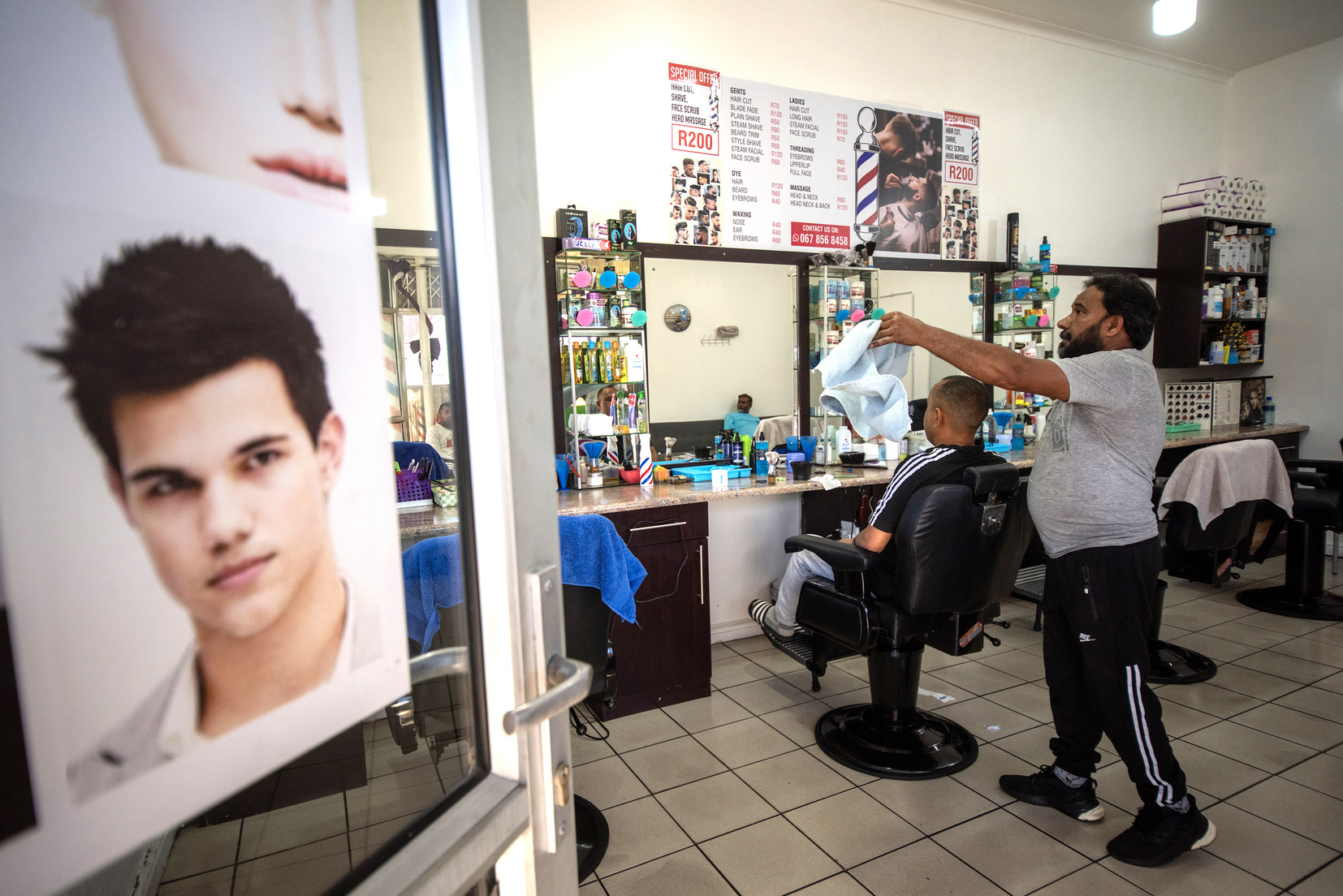
The people who make our community—from students and tradespeople to elders and entrepreneurs.
Predictable lessons, calm correction and repeatable local routes can turn fear into safe judgement for learners who begin driving later in life.
Trust can grow through routine and unforced conversation when a barber listens carefully, models respect and understands the boundary between mentorship and professional support.
Accurate language support protects dignity and decision-making when confidentiality, preparation and direct communication keep the person using the service at the centre.
A patient recommendation can change a child’s relationship with books when comics, information, stories and home-language reading are all treated as real ways into literacy.
Participation grows when technical coaching is matched by safe transport, reliable facilities, visible safeguarding and a pathway for women to keep developing as coaches.
A calm welcome, predictable routines and patient attention can help young children experience learning as a place of safety, curiosity and belonging.
At the training bench, accuracy, safety and judgement grow through repetition—and an experienced artisan’s willingness to explain the work.
Good coaching can create discipline, friendship and a dependable place where young people are known by name.
Creative work, trades and independent businesses are widening the idea of a successful career.
Older reporting and features remain part of the permanent Cape Ummah archive.
For these educators, learning also means helping young people speak, listen and imagine a wider future.
Household visits connect people to formal care through local knowledge, careful follow-up and the trust built when the same worker returns after the first conversation.
A clear demand, checked evidence and careful follow-up matter more than one crowded moment when young organisers want institutions to respond.
Route maps, verified support information and persistent follow-up can move a community beyond warnings that leave women carrying responsibility alone.
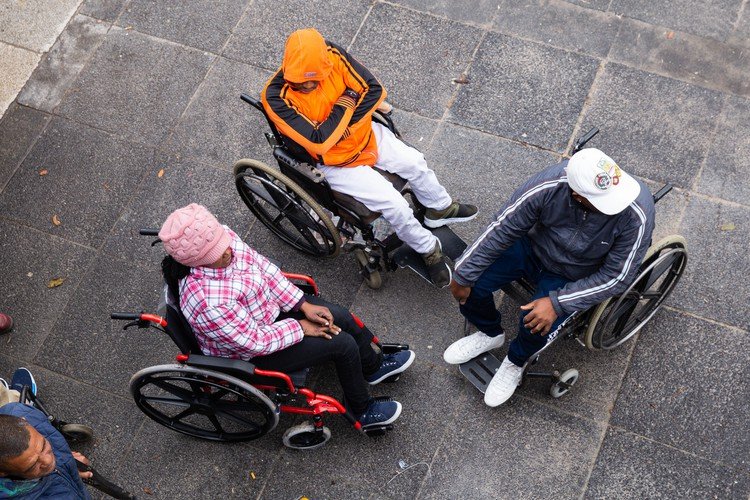
A journey is only accessible when pavements, information, vehicles, staff and the final distance work together reliably—not when one ramp exists in isolation.