How to hand over volunteer leadership without losing the organisation’s memory
A responsible transition transfers responsibilities, access, unfinished work and public trust while giving the incoming team enough room to lead.
Predictable lessons, calm correction and repeatable local routes can turn fear into safe judgement for learners who begin driving later in life.
An outage becomes an access failure when a building offers no workable alternative, no responsible contact and no clear account of repair, recurrence or the route visitors should use.
A verified need, useful item list, careful records and responsible handover prevent a generous campaign from producing waste, confusion or promotional exposure of the people it intends to serve.
Predictable information, thoughtful sound and lighting, a calmer area and respectful volunteers can widen participation without treating neurodivergent worshippers as a problem to manage.
The path back becomes more realistic when caregiving skills are described honestly, current barriers are mapped and the household redistributes the work that never disappeared.
An effective notice identifies the affected area, uncertainty, safe practical steps and the newest verified source instead of leaving residents to assemble a plan from old screenshots.

Scope, materials, allowances, payment stages and written changes protect both craft and client when a quotation defines what successful completion should look like.
Access improves when organisers examine arrival, information, toilets, seating, sound and volunteer response before publishing the invitation—not after a guest encounters the barrier.
A meaningful visit respects energy, privacy and medical precautions while offering companionship or specific help without making the household perform hospitality.
A patient recommendation can change a child’s relationship with books when comics, information, stories and home-language reading are all treated as real ways into literacy.
A notice may be technically complete yet practically useless if dates, consequences, contact routes and the next required step are buried beneath institutional language.
Bills, hot water, draughts and faulty appliances deserve more attention than gimmicks when tenants need affordable changes they can make safely and take with them.
Good intentions become more useful when listening, accurate information, qualified guidance and clear boundaries protect the dignity and agency of a person under financial pressure.
A small, secure record of contacts, medication, policies, dependants and essential documents can help a trusted person act without turning preparedness into a mountain of paperwork.
Participation grows when technical coaching is matched by safe transport, reliable facilities, visible safeguarding and a pathway for women to keep developing as coaches.
Shared phones, changing numbers, data costs and confusing messages can turn a convenient digital process into another barrier between a patient and care.
Communication changes when relatives stop expecting one deaf family member to bridge every conversation and begin building a shared visual language at home.
A shared calendar, simpler food and protected sleep can help households pursue the month’s meaning without treating exhaustion as a measure of devotion.
A calm welcome, predictable routines and patient attention can help young children experience learning as a place of safety, curiosity and belonging.
Shared calendars, safer homes and reliable transport can reduce daily pressure when support begins with the older person’s priorities.
Meaning, sleep, school and age-appropriate participation can sit together when families resist comparison and leave room for questions.
An inherited home asks for more than fresh paint: families must balance safety, money, memory and the practical needs of another generation.
Crossings, dark pavements and blocked sightlines look different on foot—and residents can document them without turning community care into vigilantism.
Curry spice, vinegar, apricot and onion give Cape sosaties their unmistakable balance, but careful cooling, threading and grilling protect the meat’s tenderness.
Tender Cape-style meatballs depend on gentle mixing and even shaping, while a properly reduced tomato smoor turns the familiar into something deeply satisfying.
Lamb, ripe tomato and potato become a deeply savoury Cape stew when browning, reduction and gentle heat are given enough time.
Memorising the Qur’an is sustained by intention, careful teaching, steady revision and a household that protects the learner’s wellbeing.
An independent profile of a Cape Town contractor bringing civil infrastructure, building construction, roofing and disciplined project delivery into one confident regional offering.
Prayer planning, verified halal stops and realistic distances can turn a beautiful drive into a calmer family journey.
Firm fish, soft onions and a golden vinegar pickle settle into their full character only after the cook has stepped away.
Cool custard, a delicate crust and cinnamon make milk tart the kind of make-ahead bake that turns ordinary tea into hospitality.
Sound guidance, privacy and careful assessment can make obligatory giving both faithful and genuinely useful.
Behind each qualification sits a web of sacrifice, translation, unfamiliar systems and hopes that reach beyond one student.
Creative work, trades and independent businesses are widening the idea of a successful career.
A practical explainer on household planning, mutual aid and why food costs matter to our readers.
Saving slowly, asking for help and starting modestly turned a long-held hope into a front-door key.
Families reflect on protecting worship, sleep and connection when every evening threatens to become crowded.
From transport and prayer spaces to budgeting and belonging, the first semester is easier with a thoughtful plan.
Routes, toilets, classrooms, bullying and trusted reporting systems belong in the same conversation when young people describe the places they feel unsafe.
Sleep, transport, labels and a warm goodbye can make the first mornings more predictable while children learn the rhythms of a new classroom.
For adult students, enrolment is only the beginning; progress depends on childcare, transport, confidence and a household willing to make room for another demanding role.
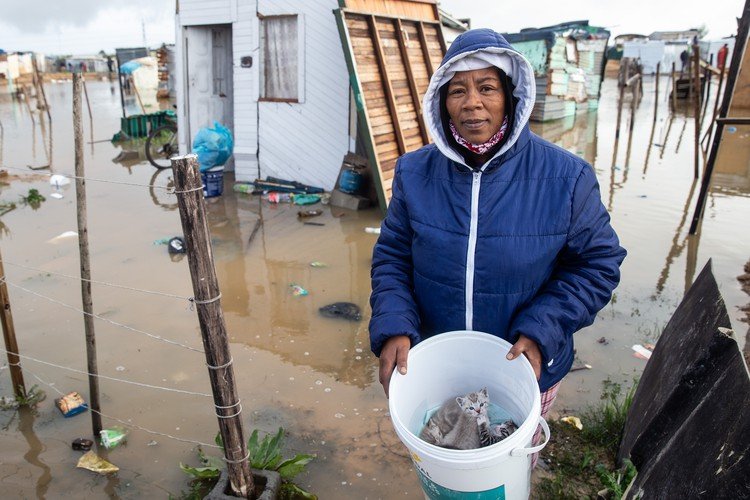
Documents, medication, safe movement and reliable alerts deserve attention before water reaches a doorway and every decision becomes harder.
Route maps, verified support information and persistent follow-up can move a community beyond warnings that leave women carrying responsibility alone.